
A strong warehouse security strategy should combine physical security, technology, clear procedures, trained personnel, and regular assessments. Modern warehouses are busy environments where inventory, employees, contractors, delivery vehicles, and visitors interact throughout the day.
With multiple access points and continuous movement, a basic lock-and-key approach may not provide enough protection.
The goal is not only to prevent theft but also to protect employees, reduce unauthorized access, support business continuity, and create a safer working environment.
Start With a Comprehensive Warehouse Security Assessment
Every warehouse has different layouts, operating hours, inventory values, and security risks. The first step should be identifying vulnerable areas throughout the property.
Review entrances, emergency exits, loading docks, parking areas, storage zones, fencing, lighting, and restricted areas. Consider when the facility is most vulnerable, including overnight hours, shift changes, weekends, and periods of high delivery activity.
A security assessment helps management prioritize improvements based on actual risks rather than applying the same security measures to every facility.
Strengthen Access Control and Entry Procedures
Controlling who can enter the facility is one of the most important parts of warehouse protection. Employees should have access only to areas necessary for their responsibilities, while visitors, contractors, and delivery personnel should follow clearly defined entry procedures.
Access cards, identification badges, visitor logs, controlled gates, and monitored entrances can help improve accountability. Access permissions should also be reviewed regularly, particularly when employees change roles or leave the organization.
Improve Perimeter and Loading Dock Protection
The warehouse perimeter is the first physical layer of protection. Strong fencing, secure gates, appropriate lighting, and surveillance can make unauthorized entry more difficult.
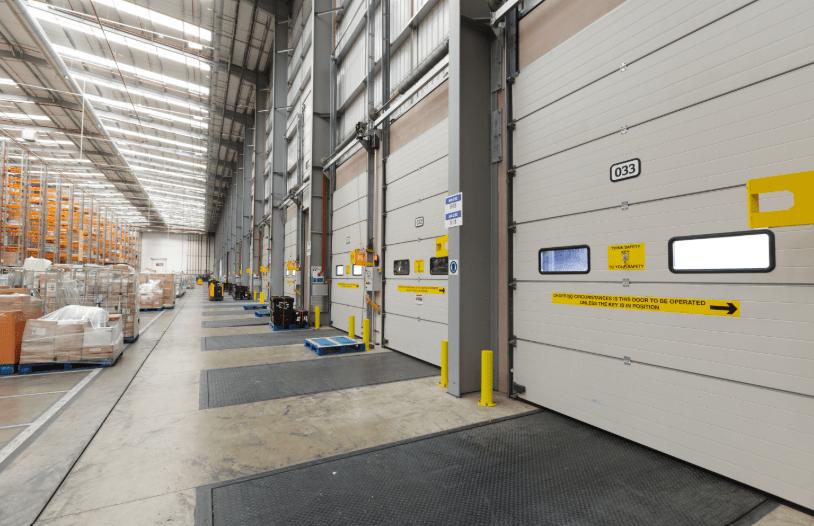
Loading docks deserve particular attention because vehicles and people are constantly moving in and out. Businesses can improve protection by verifying deliveries, monitoring vehicle activity, controlling dock access, and maintaining clear procedures for incoming and outgoing shipments.
Separating receiving and dispatch areas where practical can also help improve control over inventory movement.
Combine Surveillance With Physical Security
Cameras can provide valuable visibility across entrances, storage areas, loading docks, parking lots, and other critical locations. However, surveillance should be part of a broader security system rather than treated as the complete solution.
When appropriate, CCTV can be combined with access control, alarms, lighting, and trained personnel. This layered approach helps create multiple points of detection and response throughout the property.
Use Professional Warehouse Security Guard Services
Technology can identify unusual activity, but trained security professionals can assess situations, communicate with employees and visitors, monitor access points, conduct patrols, and respond according to established procedures.
Professional warehouse security guard services can be structured around the specific needs of a facility, whether that involves entrance monitoring, mobile patrols, visitor management, overnight protection, or support during busy operational periods.
The right approach depends on the warehouse layout, operating schedule, risk profile, and level of security required.
Define the Role of a Warehouse Security Guard
A warehouse security guard can provide a visible security presence while supporting everyday protection procedures. Responsibilities may include monitoring entrances and exits, checking authorized access, observing loading areas, conducting patrols, documenting incidents, and reporting suspicious activity.
Clear responsibilities and communication procedures are important. Guards should understand the facility’s emergency plans, escalation procedures, restricted areas, and reporting requirements.
Train Employees to Support Security
Security is not solely the responsibility of management or security personnel. Employees interact with inventory, equipment, visitors, access systems, and shipping operations every day.
Regular training can help employees recognize suspicious activity, follow access procedures, protect credentials, report incidents, and respond appropriately to emergencies.
A strong security culture develops when employees understand why procedures exist and consistently follow them.
Protect High-Value Inventory and Restricted Areas
Not every area of a warehouse carries the same level of risk. High-value products, sensitive materials, equipment, documents, and technology may require additional controls.
Businesses can use restricted-access areas, additional surveillance, inventory tracking, and regular stock checks to improve accountability. Limiting unnecessary access can reduce opportunities for loss and make unusual activity easier to identify.
Develop a Clear Emergency Response Plan
A warehouse security strategy should also prepare for emergencies. Management should establish clear procedures for situations such as unauthorized entry, theft, vandalism, suspicious packages, fire, workplace incidents, or other unexpected events.
Employees and security personnel should know who to contact, how incidents should be reported, and when emergency services should be contacted. Regular reviews and drills can help ensure procedures remain practical and understood.
Work With Experienced Security Professionals
Choosing an experienced security provider can make it easier to develop a security program that fits the facility rather than relying on a standard package. Security guard agencies in Ontario may provide different types of protection, so businesses should evaluate training, communication, reliability, service flexibility, and experience with commercial environments before making a decision.
The best security strategy should complement warehouse operations rather than create unnecessary disruption.
Review and Improve the Security Strategy Regularly
Warehouse operations change over time. New employees, additional inventory, expanded storage areas, new delivery routes, extended operating hours, or facility renovations can create new security vulnerabilities.
For this reason, security plans should be reviewed periodically. Businesses should examine incident reports, access records, surveillance coverage, employee feedback, and changes to the facility to determine whether existing measures remain effective.
Conclusion
A strong warehouse security strategy requires more than cameras, locks, or a security guard working independently. Effective protection comes from combining risk assessments, access control, surveillance, perimeter protection, employee awareness, trained security personnel, emergency planning, and regular reviews.
By taking a layered and proactive approach, warehouse operators can better protect valuable inventory, support employee safety, reduce security risks, and maintain smoother day-to-day operations.
Email: info@bullseyesecurity.ca
Phone: 905-650-6855
Website: https://bullseyesecurity.ca/
Frequently Asked Questions
1. Why is warehouse security important?
Warehouse security helps protect inventory, employees, equipment, and facilities from theft, unauthorized access, and other risks.
2. What should a warehouse security strategy include?
A strong strategy should include access control, surveillance, lighting, perimeter protection, trained personnel, and emergency procedures.
3. How can security guards improve warehouse safety?
Security guards can monitor entrances, patrol the facility, identify suspicious activity, manage visitors, and respond to security incidents.
4. Should warehouses use CCTV and security guards together?
Yes, combining CCTV with trained security personnel can provide broader monitoring and faster response to potential incidents.
5. How often should warehouse security plans be reviewed?
Security plans should be reviewed regularly and whenever warehouse operations, layouts, access requirements, or security risks change.